To create a scalable SEO audit system, shift to a repeatable process that integrates automation and human input, rather than relying on manual or one-time reporting. By building out a scalable SEO audit framework, you can supply quality and actionable recommendations to numerous clients without expanding your amount of work in relation to the number of clients you serve.
An agency-wide SEO audit framework enables agencies to provide consistent, high-quality insight for many different clients without having to reinvent the wheel. By developing a standardised checklist of SEO audits, using prioritised data-driven insights, and automating wherever possible, agencies can have greater efficiency, accuracy, and provide better long-term SEO results for their clients. Let’s discuss more about how to create a scalable SEO audit framework in this article.
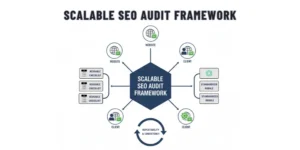
What Is a Scalable SEO Audit Framework?
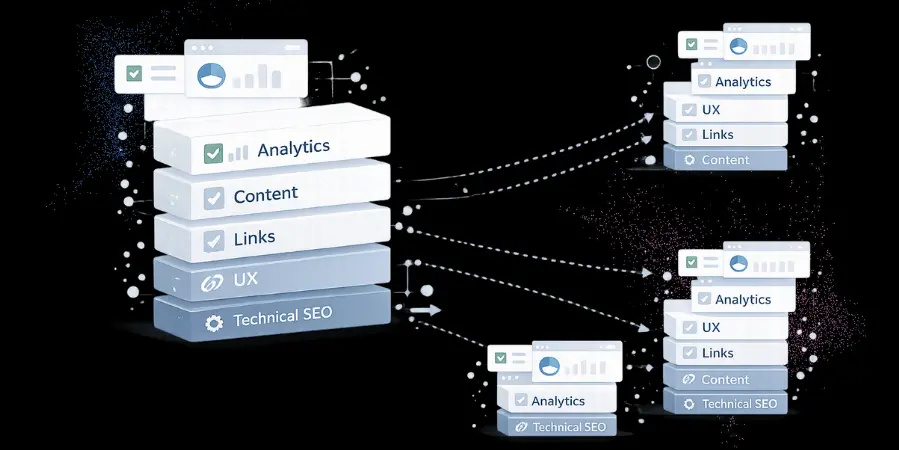
A scalable SEO audit framework is an organised and replicable method used by agencies to conduct audits on numerous sites at once with a consistent level of quality. This framework provides a standardised approach for the key checks, prioritising these checks, and providing the overall reporting across different clients, industries, and sizes.
Core Components of a Scalable SEO Audit
A solid framework addresses Technical SEO, On-page SEO, Content Quality, Backlink Characteristics, Performance Metrics, as well as clearly defined priority issues, automation-ready tools, and actionable insights to ensure audits are efficient, valuable, and focused on the client’s needs.
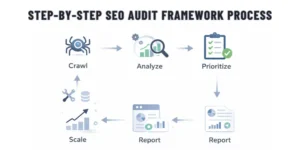
Step-by-Step Process to Build the Framework
Here are the steps to follow:
1. Define Audit Scope and Tiers
You must not audit the same way every time because as you grow (scale), you need to clearly outline inclusions for technical SEO, content, on-page, and off-page analysis to maintain scalability.
- Tier 1 (Speed): Free or Prospective Audit- Surface-level issues (30-60 minutes) that highlight knowledgeable skills (expertise). Defined by GSC data, the top 3-5 pages, and significant red flags.
- Tier 2 (Companies): Standard Audit- Technical/On-page/Competitor audits in greater detail.
- Tier 3 (Companies): Comprehensive/Enterprise Audit- Full Technical Crawl, Content Audit with Full Technical Crawl, Backlink Audit with full Technical Crawl, and AI Visibility Audit with full Technical Crawl.
2. Use Automated Tools for Data Collection
Use software programs to quickly gather data.
- Site Crawlers: Screaming Frog (up to 500 URLs are free), Sitebulb, or Semrush Site Audit.
- Google Search Console (GSC) and GA4 for accessing real data.
- Performance: Google Pagespeed Insights (Lighthouse).
- Backlink and Keyword Audit- Ahrefs or Semrush.
3. Providing a framework of a Standardised Checklist (Standardisation)
Utilising a standardised format (Google Sheets and/or Notion) will create a consistent checklist for your clients.
- The Technical SEO checks will include the robots.txt, sitemap, 404 errors, 301 redirects and Core Web Vital report (LCP, CLS, INP).
- The Checks For On-Page SEO will be: title tags, meta descriptions, header structure (H1 & H2) and image alt text.
- Use the Content section – to conduct an audit of the quality of all content, the number of “zombie pages” (low traffic and low value) and identify whether there is any collateral damage caused by cannibalised keywords.
- For the Off-page / Local SEO checks, check for toxic backlinks and unlinked brand mentions, and ensure GMB is accurate.
- For the new addition of AI Visibility checks, you can check for mentions of your brand within answers provided by AIs using Semrush-AI Toolkit.
4. Use a “Traffic Light” System to Define Priority of Work
This is a way to scale your work through teaching clients what to work on first.
- Red (Urgent) – block off/schedule if you have “blockers” on the site that are making it impossible to work on your site, such as a “no index tag” or “5xx error” or if any security measures have been put in place.
- Yellow (Important) – items that are going to have a significant impact on your site’s performance and need to be addressed as soon as possible, such as slow loading pages or missing meta descriptions.
- Green (Ongoing) – items that should be improved in the long-term, such as refreshing existing production content or backlinking to your site.
5. Develop Automated Reporting and Dashboards
Do not waste time writing/static PDF reports for all audits, instead:
- Build a Looker Studio custom and white-label report using live data from your GSC and GA4 accounts.
- Create APIs to send data directly to a spreadsheet to facilitate fast analysis of data.
Tools and Templates to Support Scalability
- Audit Tools that are related to SEO Technical On-Site & Backlink Analysis
With the use of tools such as Screaming Frog, Ahrefs, SEMRush and Google Search Console; they aid in automating the data collection process for the respective website’s structure, website’s page performance and backlinks, thus; allowing for increased efficiency and accuracy by reducing manual labour. - Consistent Audit Checklists and Templates
Utilising pre-built templates for technical SEO, on-page SEO, for content and for UX will allow you and your team to consistently perform audits across all customers. Thus, saving you time and preventing you from missing any checks. - Automated Reporting and Dashboard Tools
Data studio, Power BI and/or agency dashboards will turn any raw data from the audit into visual, customer-ready reports, making them easier to digest and share by a customer. - Project Management and Document Platforms
Asana, Trello and/or Notion will allow your team to stay on task, assign tasks to others, provide recommendations, maintain an organised workflow with your teammates and follow up with customers.
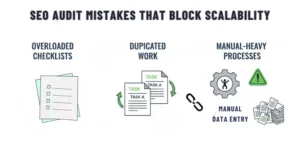
Common Mistakes to Avoid
- Employing An All Inclusive Method Of Auditing
Every website has different targets and structures. Using the same checks and recommendations will produce similar results regardless of the type of business. This can lead to bad or not beneficial insights due to the uniqueness of your site/industry. - Overloading Clients With Too Many Data Points
Just giving clients every single minor technical issue will make it confusing to your client. Always focus on the most important technical issues and provide actionable insights. - Not Prioritising Issues Based on their Impact
Not all technical SEO issues carry the same value for your business. By highlighting high-impact errors first you are providing immediate value-adding benefits for the client (Crawl Errors, Indexing Errors etc.) - Failing To Understand The Client’s Business Objectives And Goals
The audit must align with the client’s business objectives. If you do not understand what the client’s KPIs are or what they want to achieve with their target audience /objectives, they will not benefit from any of your recommendations.
Conclusion
A scalable SEO audit framework will allow companies to provide consistent, powerful insight without having to waste time or money. With consistent processes and with customisation options available, agencies are able to create measurable results while delivering long-term value to each client.