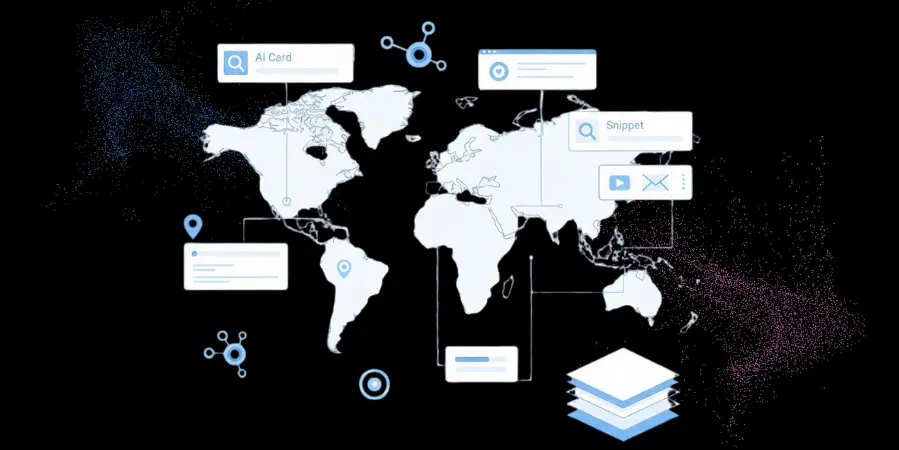
With the continued evolution of digital marketing, the way the world finds your business on the internet changes as well. In 2026, international search visibility is no longer about ranking at the top spot for translated keywords on Google. It’s about being visible everywhere people search, such as Artificial Intelligence (AI)-driven engines, voice assistants, answer interfaces, and localized search features all over the world.
Today, we’ll talk about the most crucial international SEO strategies you need in 2026 and explain how SERP visibility stacks, and how the suite of formats and suites that define visibility in AI systems and modern search engines will shape your approach in this regard.
Why International Search Engine Optimization (SEO) Still Matters Even In an AI World
You can think of international SEO strategies as your passport to global search presence. English accounts for just about 30% of global searches, and cross-border shopping continues to grow. Thus, international optimization is no longer just an option for brands, especially those with global ambitions.
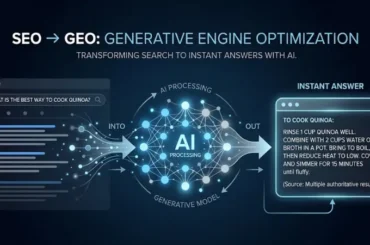
How people around the world discover information has changed, and search engines are adapting to this as well. More conventional search results – lists that contain ranked lists – are being replaced or supplemented by the likes of the following:
- AI overviews
- Conversational results
- Localized packs
- Rich features
- Generative summaries
They often decide whether users even see your content.
In 2026, your visibility stack, which is the complete set of ways in which your brand shows up on search, matters more than just your ranking positions.
Source: SERPsculpt, as of December 4, 2025
Core International SEO Tactics for 2026
1. Localized and Inter-Aligned Content – Not Just Translations
This ranks among the most preferred international SEO strategies for 2026. In the old days of SEO, the typical approach to international SEO was to translate your website into multiple languages and add hreflang tags.
Hreflang tags remain essential, but in 2026, translated content alone will no longer suffice.
2. Innovative Structure and Universal Resource Locator (URL) Strategy
Your technical foundation is still essential. The way you structure URLs for international markets affects areas like indexing, crawling, and visibility across languages.
3. Local Topic and Keyword Research
You should know that generic research will not cut it anymore. So, for each target market, you have to look for the terms that users actually search with, the way they phrase queries in their local language, and the nuances of local search behavior.
4. Local Variants and Global Hubs
Experts now recommend using a hub-and-spoke model for international content.
- This includes a central, authoritative hub, which should often be in a primary language, and a localized spoke that adapts examples, cultural context, and regulations.
- This maintains semantic consistency while providing every regional version with its unique localized voice.
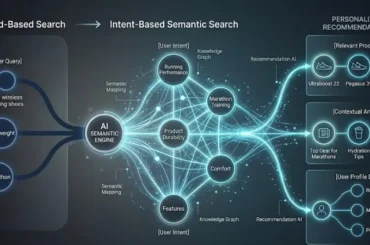
- This is crucial in the AI age, when semantic understanding supersedes literal translation.
5. Robust Backlink Outreach across Markets
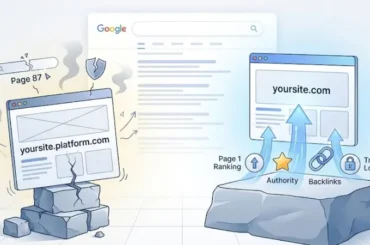
Backlinks remain a primary signal of visibility. This applies even in AI-powered search ecosystems. However, the source and type of links are now more critical than ever.
You need to focus on earning links from local directories and news sites, national industry communities and blogs, and regional authority websites and influencers.
6. Optimal Mobile Performance and Page Speed Worldwide
In 2026, international SEO must also account for various devices, local user behavior, and varying network speeds.
Sites that load slowly in markets with lower average internet speeds risk losing engagement and visibility. This is mainly because mobile-first indexing has become the global standard.
7. Technical Markup and Structured Data for Localization
Structured data, or schema, assists search engines. This means more AI engines can understand your content.
You can use a localized schema for product availability in the region, local reviews and events, and language-specific frequently asked questions (FAQ) markup.
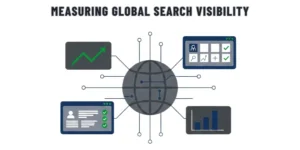
SERP Visibility Stacks in 2026: What Are They and Why Do They Matter?
If international SEO strategies are the basis of global search, SERP visibility stacks help ensure your content is viewed and selected once it has been indexed.
In 2026, brands want to do much more than rank 1st. They aim to occupy multiple layers of visibility across search, like the following:
- Traditional organic results
- ‘People also ask’ answers
- Featured snippets
- Voice search answers
- Local packs
- Image and video carousels
- Google AI Mode listings and AI Overviews
Each is included in your visibility stack. By maximizing your stack, you gain more real exposure, regardless of whether users click your links.
1. To Citation-First Visibility from Ranking
There was a time when being ranked at no. 1 guaranteed traffic, but those days are past us now. Nowadays, AI interfaces can summarize multiple sources and cite your content immediately without requiring clicks.
This has made citation prevalence even more crucial than conventional ranking positions.
2. Structural Signals for AI Overviews
If you want your content to be selected for AI overviews, use clean subheadings and structured sections, and include schema markup such as FAQs, definition markup, and question-and-answer (Q&A) markup.
This can make it easier for AI engines to cite and process your content.
3. Multi-Surface Feature Optimization
If you want to be more visible across SERP surfaces, create FAQ content, embed multimedia such as videos, charts, and images, build structured, rich content, and target ‘people also ask’ and related questions.
With each additional feature you own, you increase your footprint and your chances of being discovered by AI systems.
4. Intent-First Content Mapping
In 2026, each content piece must begin with intent modeling – what does the user want? Information? Purchase? Comparison? Local Help?
With intent alignment, you appear in AI answers and search results that best match user goals.
5. Continued Measurement across Markets
Finally, there are now multiple metrics that ensure success in international visibility.
Rather than relying solely on rankings and traffic, you should also measure impressions by region, rich snippet presence, AI feature citations, and engagement signals.
An Ideal Contemporary Visibility Stack: Putting It All Together
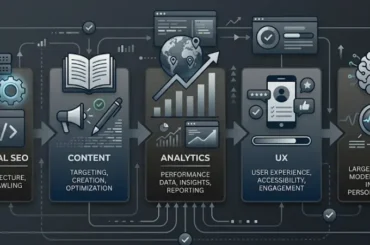
The following table shows the elements that your visibility stack should integrate in 2026:
| Main Factor | Components |
| International SEO foundation | Localized content, hreflang, URL structure, and backlinks |
| Generative and answer engine optimization | Clear answers, AI-friendly snippets, and FAQ schema |
| SERP feature optimization | Local packs, featured snippets, videos, and AI overviews |
| User experience and performance signals | Mobile optimization, accessibility, and speed |
| Intent measurement and alignment | Cross-surface analytics and multi-market intent modeling |
When you coordinate them harmoniously, this stack dramatically increases global search visibility across engines, markets, and formats.
Conclusion: How Straction Consulting Can Help You Win in 2026
Navigating the tricky landscape of international SEO strategies in 2026 is not limited to just checking a few boxes. It’s about adaptation, intelligent execution, and strategy. Straction Consulting bridges the gap between today’s global SEO challenges and tomorrow’s visibility opportunities.
Our expertise helps your business create localized content that resonates across cultures, keeps refining your strategy with data from every corner of the globe, and builds visibility stacks that capture attention in both AI-powered and traditional formats.
This is a world where search is not just about rankings, simply – it also involves presence, relevance, and authority throughout platforms. We at Straction Consulting make sure your website not only keeps up but also leads the way.